New Zealand
Places To Go
Wellington
Nickname:- Windy Wellington and Māori
Name :- Te Whanganui-a-Tara
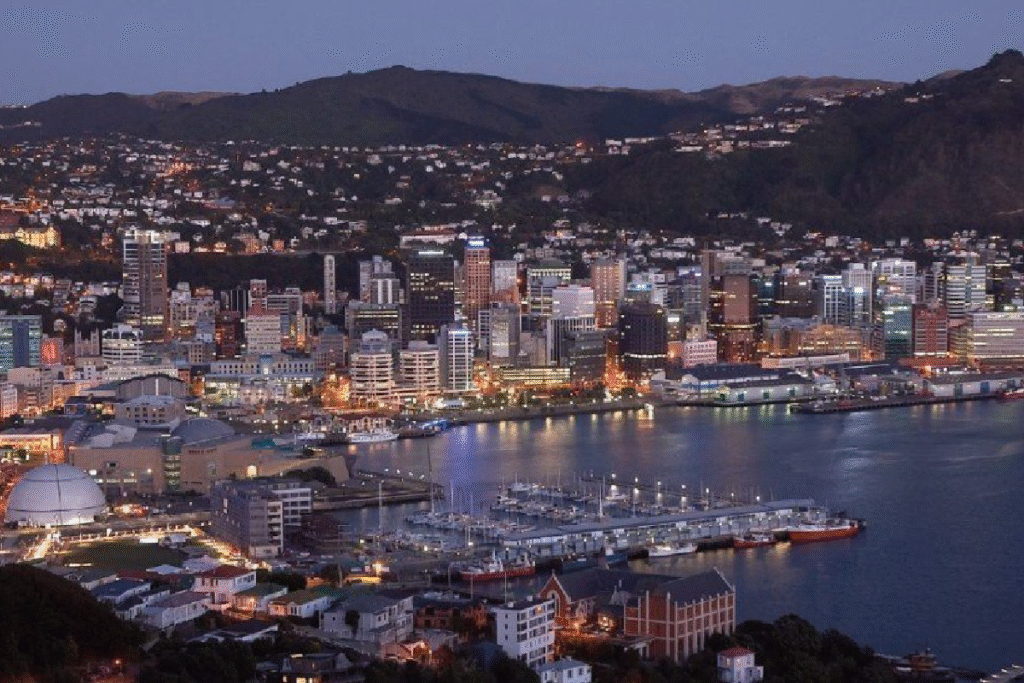
Wellington is the capital city of New Zealand. It is located at the south-western tip of the North Island, between Cook Strait and the Remutaka Range. Wellington is the third-largest city in New Zealand (second largest in the North Island), and is the administrative centre of the Wellington Region. It is the world’s southernmost capital of a sovereign state. Wellington features a temperate maritime climate, and is the world’s windiest city by average wind speed
Auckland
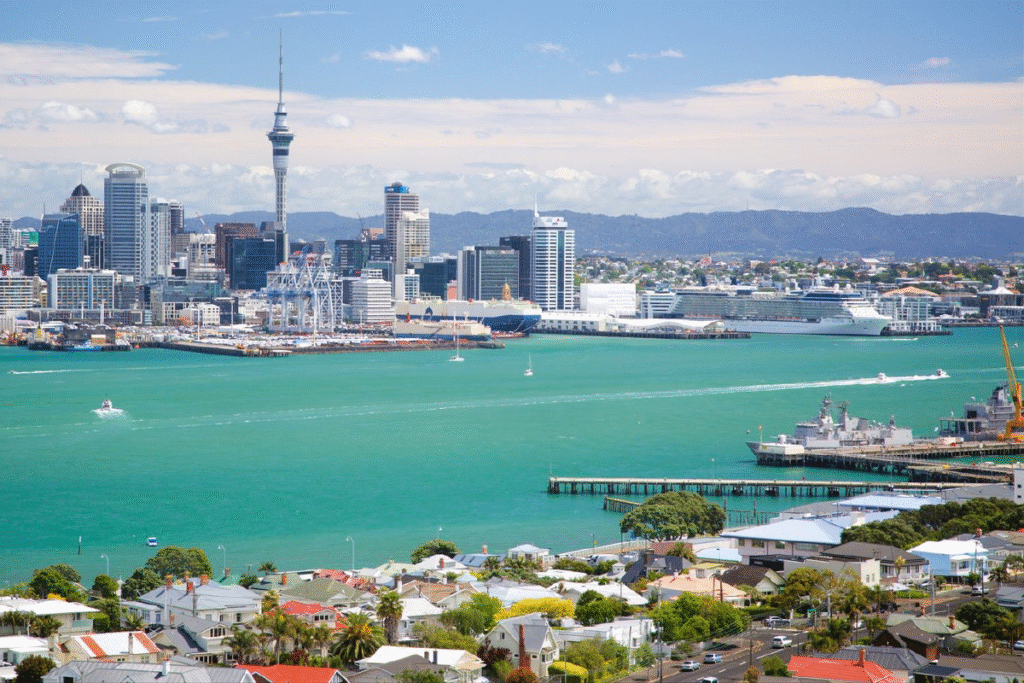
Auckland (/ˈɔːklənd/ AWK-land;[4] Māori: Tāmaki Makaurau) is a large metropolitan city in the North Island of New Zealand. It has an urban population of about 1,531,400 (June 2024). It is located in the greater Auckland region, the area governed by Auckland Council, which includes outlying rural areas and the islands of the Hauraki Gulf, and which has a total population of 1,798,300 as of June 2024 It is the most populous city of New Zealand and the fifth largest city in Oceania. While Europeans continue to make up the plurality of Auckland’s population, the city became multicultural and cosmopolitan in the late 20th century, with Asians accounting for 34.9% of the city’s population in 2023. Auckland has the fourth largest foreign-born population in the world, with 39% of its residents born overseas. With its sizable population of Pasifika New Zealanders, the city is also home to the largest ethnic Polynesian population in the world.
Hamilton
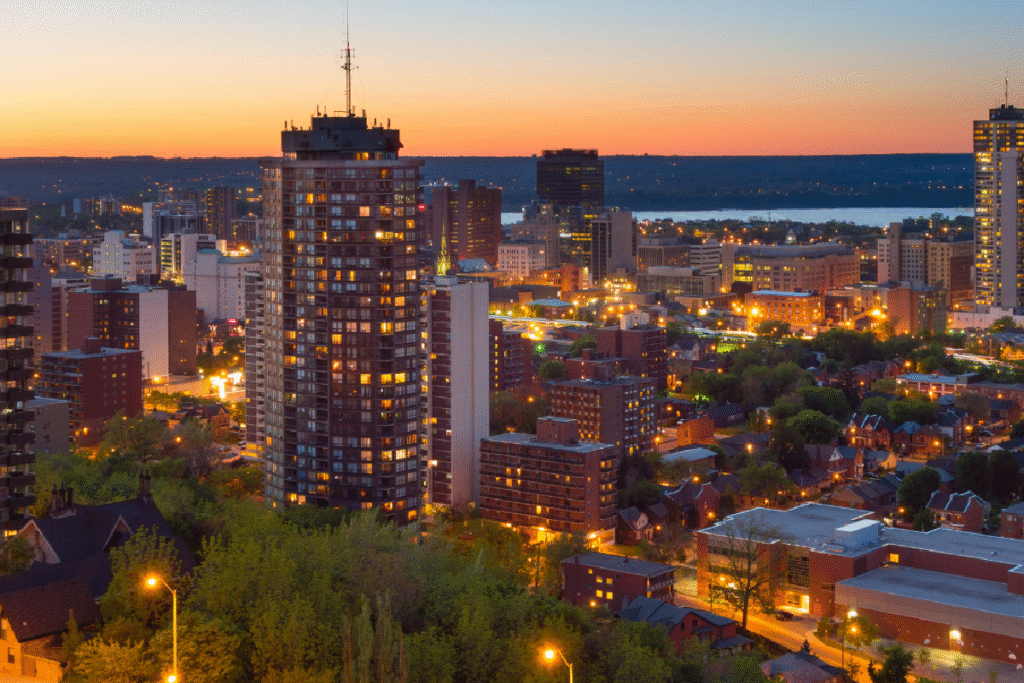
Hamilton, New Zealand, is a vibrant city nestled on the banks of the mighty Waikato River. It’s a hub of culture, nature, and adventure, offering a wide range of activities and attractions for visitors.
Rotorua
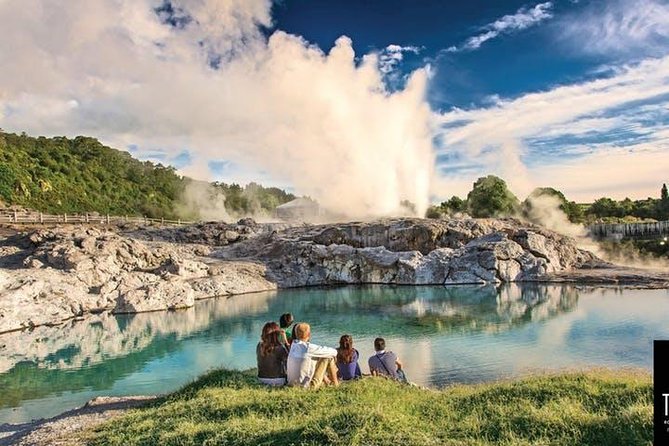
Rotorua, a town set on its namesake lake on New Zealand’s North Island, is renowned for its geothermal activity and Maori culture. In Te Puia’s Whakarewarewa Valley, there are bubbling mud pools and the 30m-tall Pohutu Geyser, which erupts many times daily. It’s also home to a living Maori village and the New Zealand Maori Arts and Crafts Institute, with traditional wood carving and weaving schools.
Tauranga
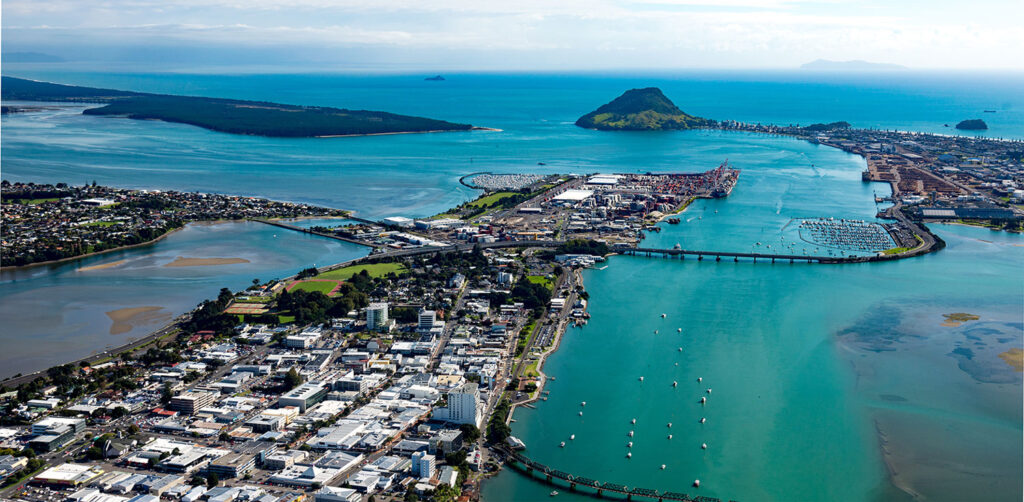
Tauranga (Māori pronunciation: [ˈtaʉɾaŋa], Māori language for “resting place,” or “safe anchorage”) is a coastal city in the Bay of Plenty region and the fifth-most populous city of New Zealand, with an urban population of 162,800 (June 2024), or roughly 3% of the national population. It was settled by Māori late in the 13th century and colonised by Europeans in the early 19th century. It was constituted as a city in 1963
Napier
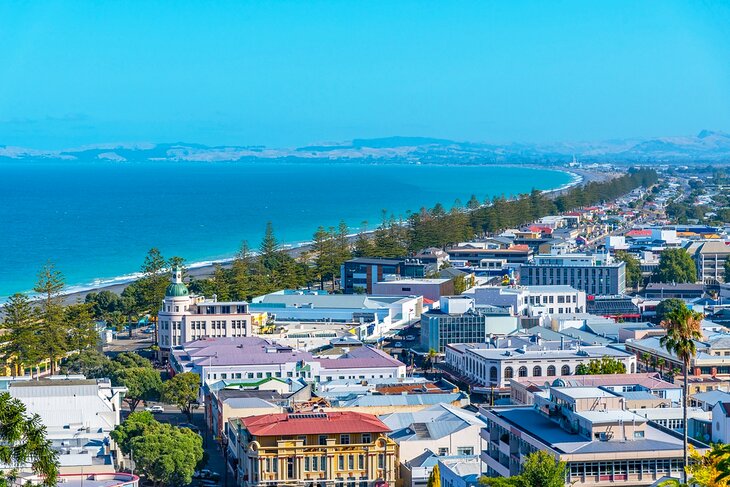
Napier (/ˈneɪpiər/ NAY-pee-ər; Māori: Ahuriri) is a city on the eastern coast of the North Island of New Zealand and the seat of the Hawke’s Bay region. It is a beachside city with a seaport, known for its sunny climate, esplanade lined with Norfolk pines, and extensive Art Deco architecture. For these attributes, Napier is sometimes romantically referred to as the “Nice of the Pacific”.
Taupō
“Home of Adventures, Vistas and Trout Fishing!”
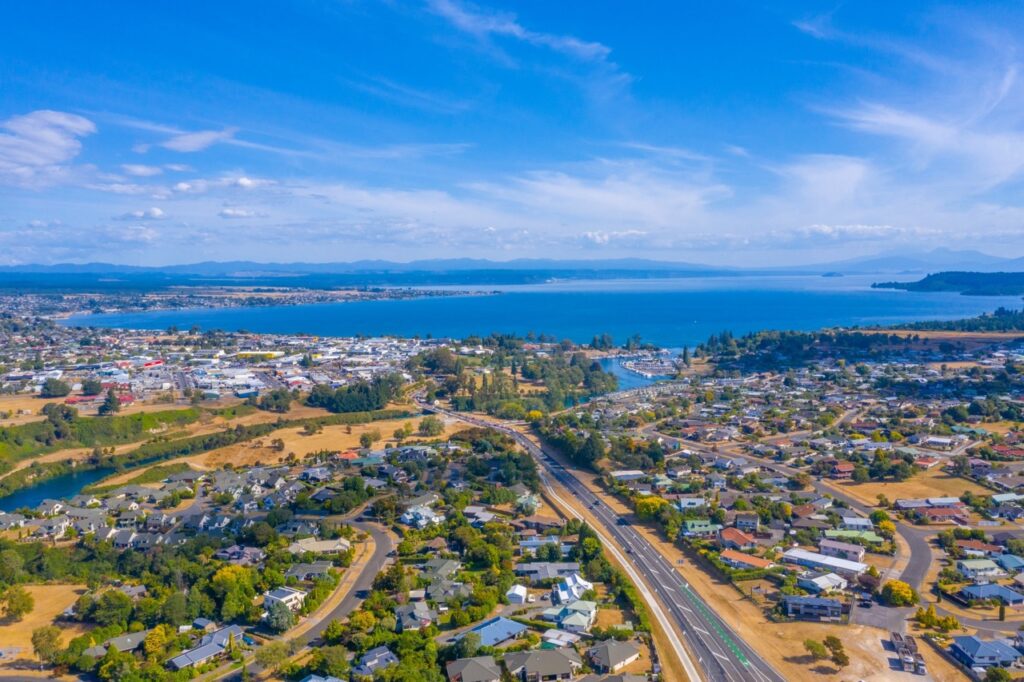
Situated near the center of North Island, Taupo is perched on the banks of Lake Taupo, which sits on the caldera of the Taupo volcano. The lake sits inside a crater created by a massive volcanic eruption that was so large that the amount of ash released into the air caused the skies in Europe and China to darken and lowered the global temperatures.
New Plymouth
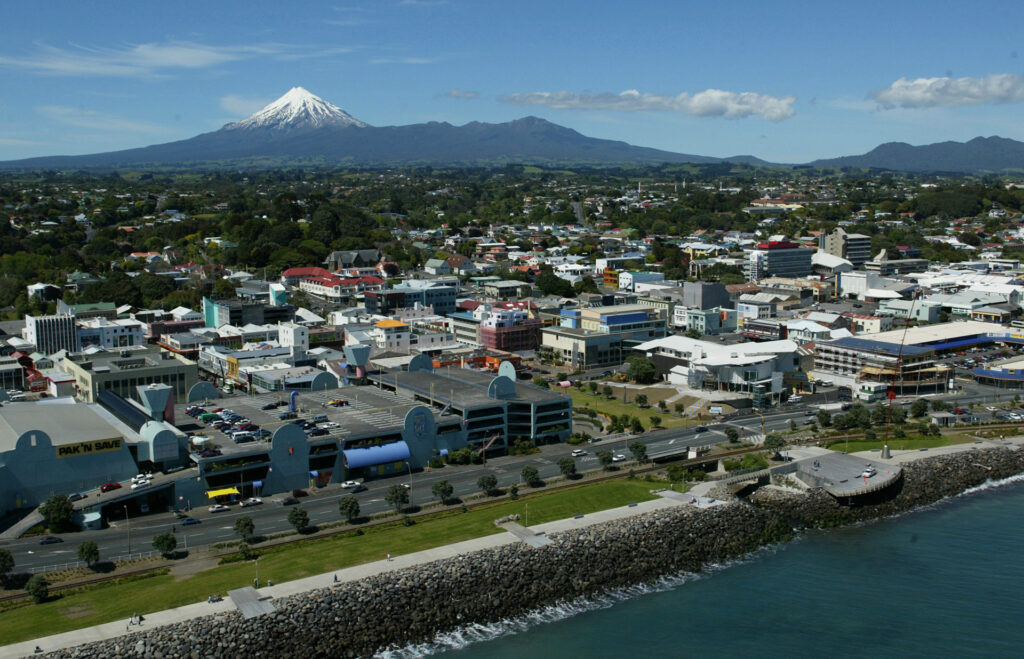
New Plymouth (Māori: Ngāmotu) is the major city of the Taranaki region on the west coast of the North Island of New Zealand. It is named after the English city of Plymouth, in Devon, from where the first English settlers to New Plymouth migrated. The New Plymouth District, which includes New Plymouth City and several smaller towns, is the 10th largest district (out of 67) in New Zealand, and has a population of 90,000 – about two-thirds of the total population of the Taranaki region and 1.7% of New Zealand’s population. This includes New Plymouth City, Waitara , Inglewood, Ōakura , Ōkato and Urenui.